No Deposit, No Excess, No Credit Card needed in every rental!!

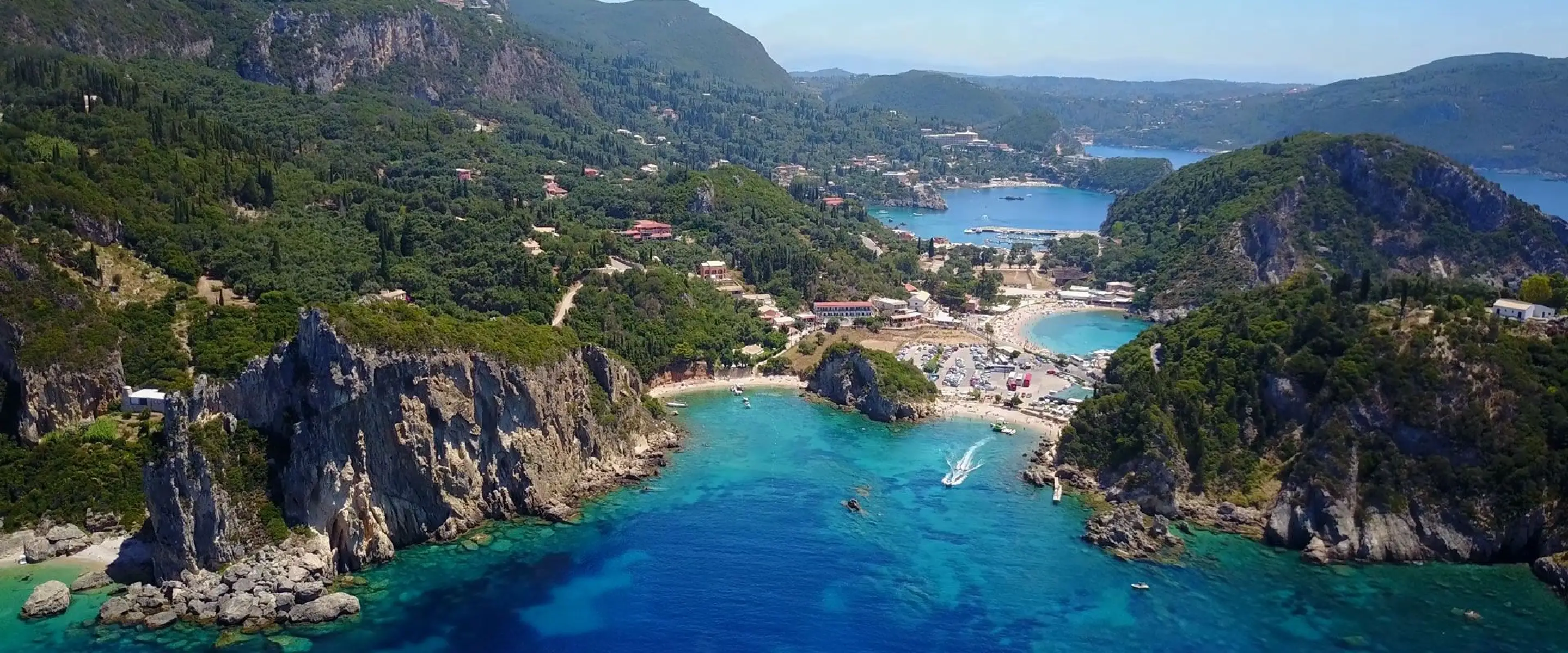
Paleokastritsa in Corfu is one of the island’s most spectacular coastal destinations. On the northwest coast, steep green hills surround a series of small bays where turquoise water meets rocky cliffs, sandy stretches and pebble beaches. The scenery attracts visitors looking for swimming, snorkelling, boat excursions and beautiful viewpoints. Unlike a single long beach, Paleokastritsa consists of several coves, each offering a different experience. Exploring the area with a rental car in Corfu makes it easier to visit the beaches, discover the historic monastery and reach the mountain villages above the coastline. This guide covers the drive from Corfu Airport (CFU), parking, beaches, boat trips and nearby attractions.
After landing at Corfu Airport, follow the instructions in your booking confirmation for the free Corfu Car airport shuttle. Our team transfers you to our rental office approximately 450 meters from the airport, where you collect your vehicle. From there, follow the main road towards Paleokastritsa on the northwest coast. The drive generally takes around 40 to 50 minutes, although heavy summer traffic can increase the journey time. The route passes through Corfu’s green countryside before descending towards the coastal bays.
The final approach includes bends, slopes and sections shared with tourist coaches. Drive carefully and allow extra time during July and August. Parking in Paleokastritsa is available near the main beach of Agios Spyridon and in other designated areas around the resort. Some car parks charge a fee, and spaces can become limited during the busiest hours. Arriving early in the morning is usually the best way to find a suitable space. Park legally and avoid blocking entrances, narrow roads or emergency access. A small economy rental car can be especially convenient on the island’s narrower roads.
The most popular beach is Agios Spyridon, the main bay beneath the monastery headland. It has a mixture of sand and small pebbles, clear water and organized facilities during the tourist season. Sunbeds, umbrellas, restaurants and boat excursions are generally available nearby. The beach is relatively small and can become crowded in summer. Although the bay is often sheltered, the water can become deep and feel cooler than at Corfu’s shallow sandy beaches. Always assess swimming conditions and supervise children closely.
Other attractive spots include Ampelaki Beach, a small cove near the western side of the headland, and Platakia, where pebbles and rocky surroundings create a quieter atmosphere. Alypa has a small harbour used by local boats. Each beach has different access conditions, and facilities vary by season. Water shoes and a snorkelling mask can make your visit more enjoyable. Avoid swimming close to moving boats and never enter caves or exposed rocky areas when the sea is rough.
For an alternative excursion, head towards Liapades and the beautiful Rovinia Beach. Rovinia is reached by a walking path that can be steep and uneven, so comfortable shoes and drinking water are important. Use only suitable paved roads and permitted parking areas rather than attempting rough tracks with your rental vehicle.
One of the most memorable activities in Paleokastritsa is a boat trip along the coastline. Small boats depart from the main Agios Spyridon area and nearby Alypa harbour, offering excursions towards sea caves and secluded bays. Depending on the operator, visitors may see impressive limestone formations, clear blue water and beaches that cannot be reached by road. One famous example is Chomi, also known as Paradise Beach, which is accessible only by sea.
Before booking, confirm the route, price, duration and return arrangements. Ask about life jackets, particularly when travelling with children. Boat services are seasonal and depend on sea conditions, so excursions may be changed or cancelled in windy weather. Swimming near cave entrances should only take place when conditions are safe and the operator permits it.
Above the main bay stands the historic Monastery of the Virgin Mary of Paleokastritsa, associated with the thirteenth century. Its traditional courtyards, religious heritage and views over the Ionian Sea make it an important cultural stop. The approach involves an uphill road and some walking. Dress respectfully, follow the monastery’s visiting rules and check current access arrangements before entering. A visit to the monastery combines naturally with swimming or a boat excursion below.
For outstanding panoramic views, drive uphill towards Lakones, a traditional village overlooking Paleokastritsa. The famous Bella Vista viewpoint offers magnificent views of the bays, green hills and coastline. The mountain road is paved but narrow and winding in places. Drive slowly, give way where necessary and stop only in permitted parking areas. The village is also a pleasant place to enjoy a drink or a meal while admiring the landscape.
Another remarkable attraction is Angelokastro, a Byzantine fortress standing high above the western coast near Krini. The surviving walls and the dramatic hilltop position reflect the castle’s importance in Corfu’s history. Reaching the ruins requires an uphill walk on uneven ground, so wear suitable shoes and avoid the climb during extreme heat. The archaeological site has seasonal opening arrangements and may close during winter or on specific days. Check the official Angelokastro visitor information before travelling.
For another beach excursion, read our guide to Glyfada Beach, known for its long sandy shoreline. You can also explore the island’s historic capital with our Corfu Old Town guide.
With Corfu Car, you can discover Paleokastritsa and the surrounding villages at your own pace. Our rentals include FDW protection with zero excess for covered bodywork damage, subject to rental terms, with no security deposit or credit card required. Optional protection for wheels, glass and undercarriage is also available. Browse our rental car fleet and enjoy the freedom to explore the natural beauty of Corfu.
 4.9/5